
जैसा कि पिछली पोस्ट में बताया गया था, इस पोस्ट में हम जर्मन भाषा में प्रचलित अभिवादन (Greetings) के विभिन्न तरीके देखेंगे।
हिन्दी की तरह, जर्मन में भी साथियों और वयस्कों के लिए अलग-अलग सम्बोधन (Greetings) हैं। जैसे आप अपने साथियों, दोस्तों या भाई-बहनों को जर्मन में ‘हैलो’ कहते हैं, लेकिन वयस्कों, यानी अपने माता-पिता, दादा-दादी, अन्य रिश्तेदारों, अधिकारियों, वरिष्ठों, शिक्षकों को ‘हैलो’ के बजाय सम्मानपूर्वक ‘गुटन मॉर्गन’ या ‘गुटन टाग’ कहकर स्वागत किया जाता है।
थैंक्यू और सॉरी कहने में भी ऐसा ही अंतर है। बच्चों को ‘डांक’, वयस्कों को ‘व्हिलेन डांक’ कहकर धन्यवाद किया जाता है; तथा साथियों या बच्चों को ‘एस टुट मिर लाईड’ और वयस्कों को ‘एन्टशुल्डीगुंग’ कहकर खेद व्यक्त किया जाता है।
हिन्दी में ”आप कैसे हैं?” ओर “क्या हाल चाल?” इनके तरह ही जर्मन में भी औपचारिक (Formal) और अनौपचारिक(Informal) सम्बोधनोंका (greetings) प्रयोग किया जाता है। बच्चों और साथियों का हाल पूछने के लिए अनौपचारिक रूप से ‘वी गेहट्स’ (Whatsup?) और वयस्कों से ‘वी गेहट एस इहनेन’ (How are you?)पूछकर औपचारिकता दिखाई जाती है।
इस तरह उम्र के हिसाब से अलग-अलग व्यक्तियों के प्रति यह अलग-अलग प्रकार की सम्बोधनोंके के जरिए सम्मान जताने का यह जर्मन तरीका निश्चित रूप से हिन्दी भाषा के अनुरूप है।
English
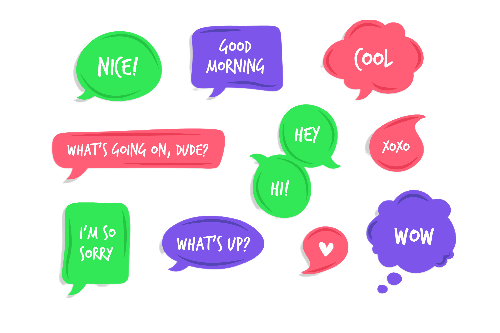
As I have mentioned in the previous post, we will see different ways of formal and informal greeting in this post.
For peers and adults, the German language has various addresses. When speaking casually, one says ‘Hallo’ to younger individuals like siblings, friends, and coworkers. Whereas ‘Guten Morgen or Guten Tag‘( Good morning or Good day) are addressed to old aged individuals, strangers or professionals.
For peers and adults/professionals, ‘Thank you’ and ‘Sorry’ are also expressed in distinct ways. Younger individuals are thanked with the word ‘Danke’. Adults are thanked with the word ‘Vielen Dank.’ Vielen Dank and Danke both mean -Thank you.
When expressing regret to peers, the phrase is ‘Es tut mir Leid’ ( I am sorry) and when speaking to adults, strangers or professionals, it is ‘Entschuldigung‘ (Excuse me).
Informally, peers are frequently addressed with ‘Wie geht’s?’ which means -How are you. While formal addresses are made to strangers, older people and professionals with ‘Wie geht es Ihnen?’ ,which also means- How are you?
In the German language, respect or friendship is conveyed by such casual and formal greets. Stay tuned for more interesting post!

© 2023 Germanplanet.in (by Sayalee Marathe )
Image Credit- Freepik.com
(https://www.howtopronounce.com- pronunciation dictionary of German words)

Comments
One response to “Formal & informal greetings: “कैसा है तू?” या “आप कैसे हैं?””
[…] Back to the previous post […]